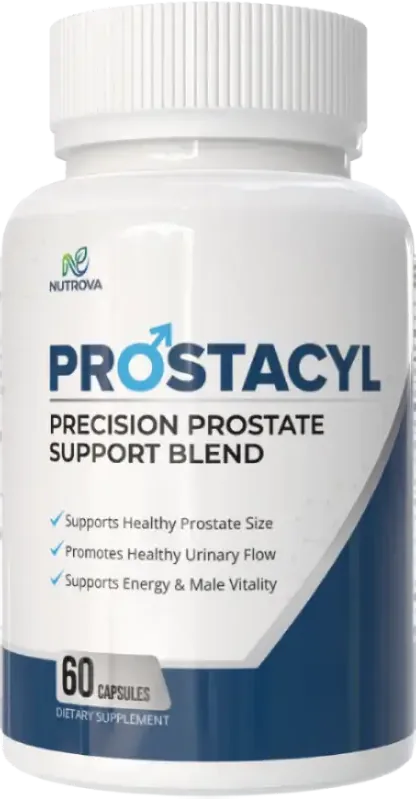
Pygeum rarely gets the attention saw palmetto does, yet it matches it milligram for milligram in Prostacyl. Here's what you should know about it.
From African highlands to capsules
Pygeum is made from the bark of Prunus africana, an evergreen that grows in mountain forests across central and southern Africa. The bark has been used in traditional practice for generations and in European men's wellness products since the 1960s.
What's in the bark
The bark contains plant sterols, triterpenes and ferulic acid esters. Prostacyl's pygeum extract is standardized to 3% phytosterols, so each batch aims for the same sterol level.
What the main review found
The best-known summary is a 2002 Cochrane review of 18 trials with about 1,500 men. Pygeum gave a modest improvement in urinary symptoms and flow compared with placebo, and side effects were mild.
The catch
The same review noted that the trials were small, short (most under four months) and used different extracts and doses. Few large, modern trials have followed. So pygeum is promising, but the evidence is thin — and none of it tested Prostacyl itself.
Pygeum vs. saw palmetto
Saw palmetto has more research overall, but its larger trials were disappointing. Pygeum has fewer, older studies with modest positive findings. Many formulas, including Prostacyl, include both.
A note on sustainability
Prunus africana has been over-harvested in some areas. If that matters to you, ask the seller about sourcing, since the label doesn't say.
Sources
- Pygeum africanum for benign prostatic hyperplasia — Cochrane review (2002)PubMed
- Saw Palmetto: Usefulness and SafetyNCCIH, National Institutes of Health